



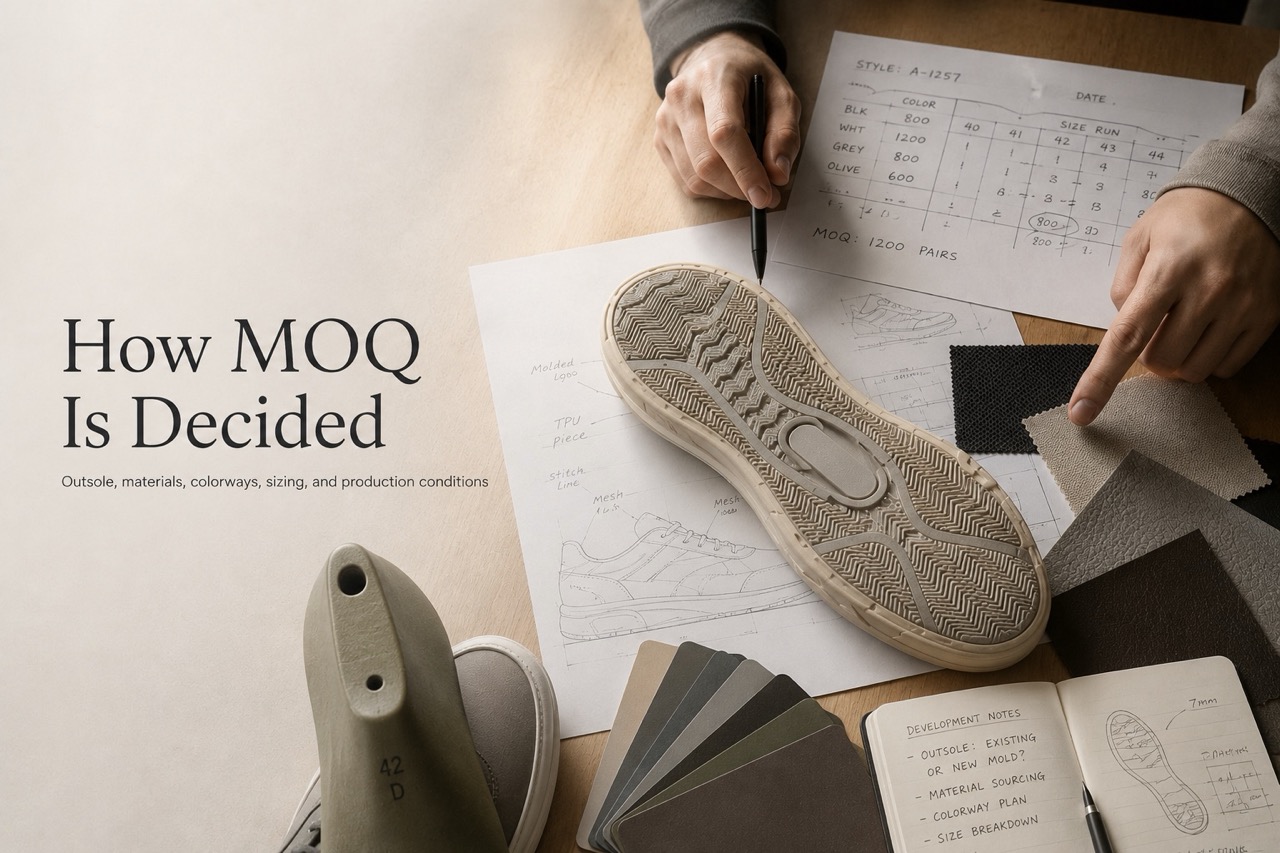
How MOQ for Shoe OEM Production Is Really Decided
One of the first questions brands ask when starting a footwear project is simple: what is the MOQ?
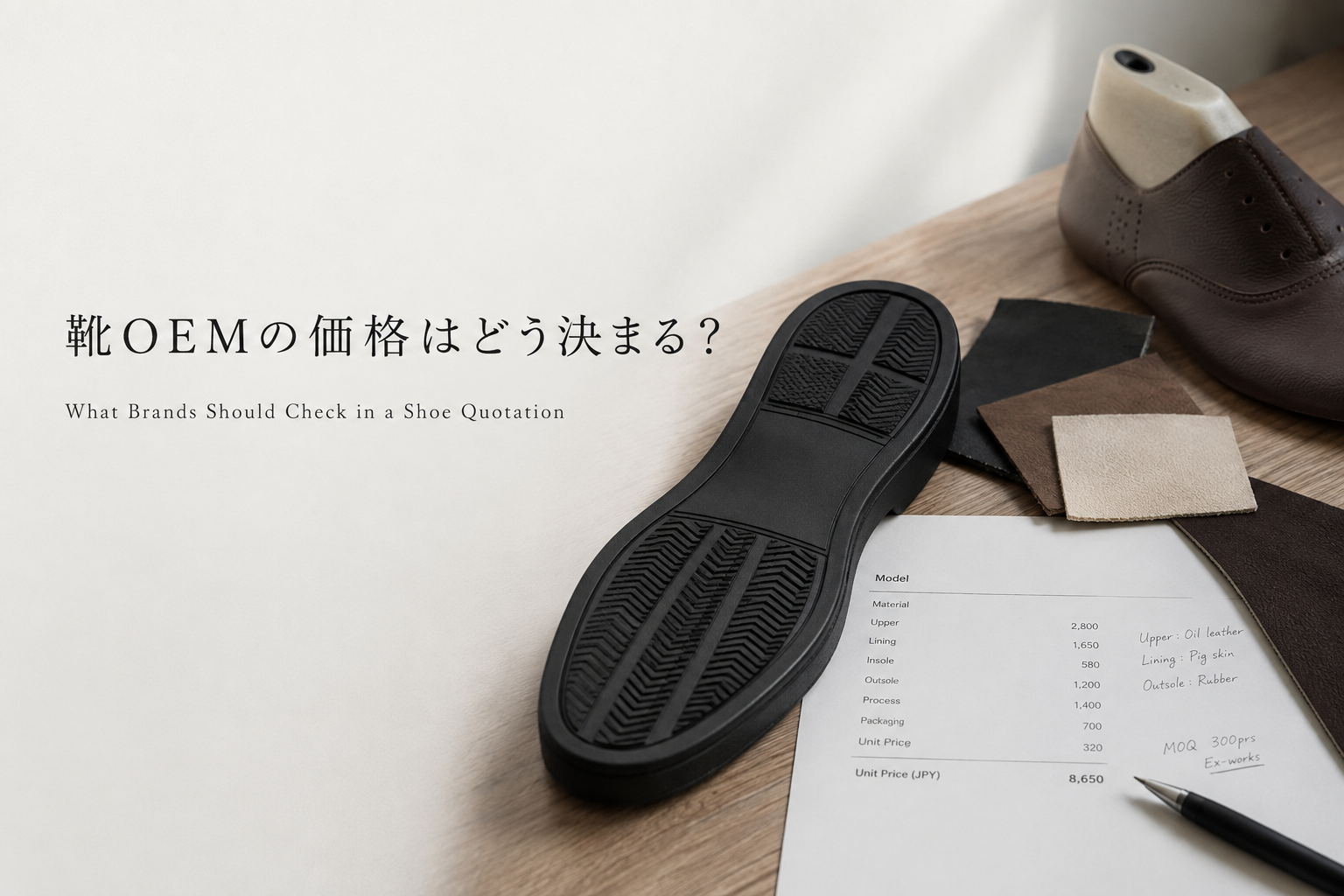
It sounds like a straightforward question, but in shoe OEM production, the answer is rarely just a fixed number. MOQ is not only something a factory decides. It is usually the result of how the shoe is built, how the materials are sourced, how the outsole is handled, and how efficiently the style can move into production.
That is why two shoes that look similar on the surface can still have very different MOQ conditions.
A simpler style built on an existing outsole, with standard materials, fewer colorways, and a tighter size range, may be possible at a lower starting quantity. A style with a new outsole mold, more custom materials, more colors, and broader size distribution will almost always require a higher MOQ. For many brands, the misunderstanding begins when MOQ is treated as a factory rule, rather than a production condition.
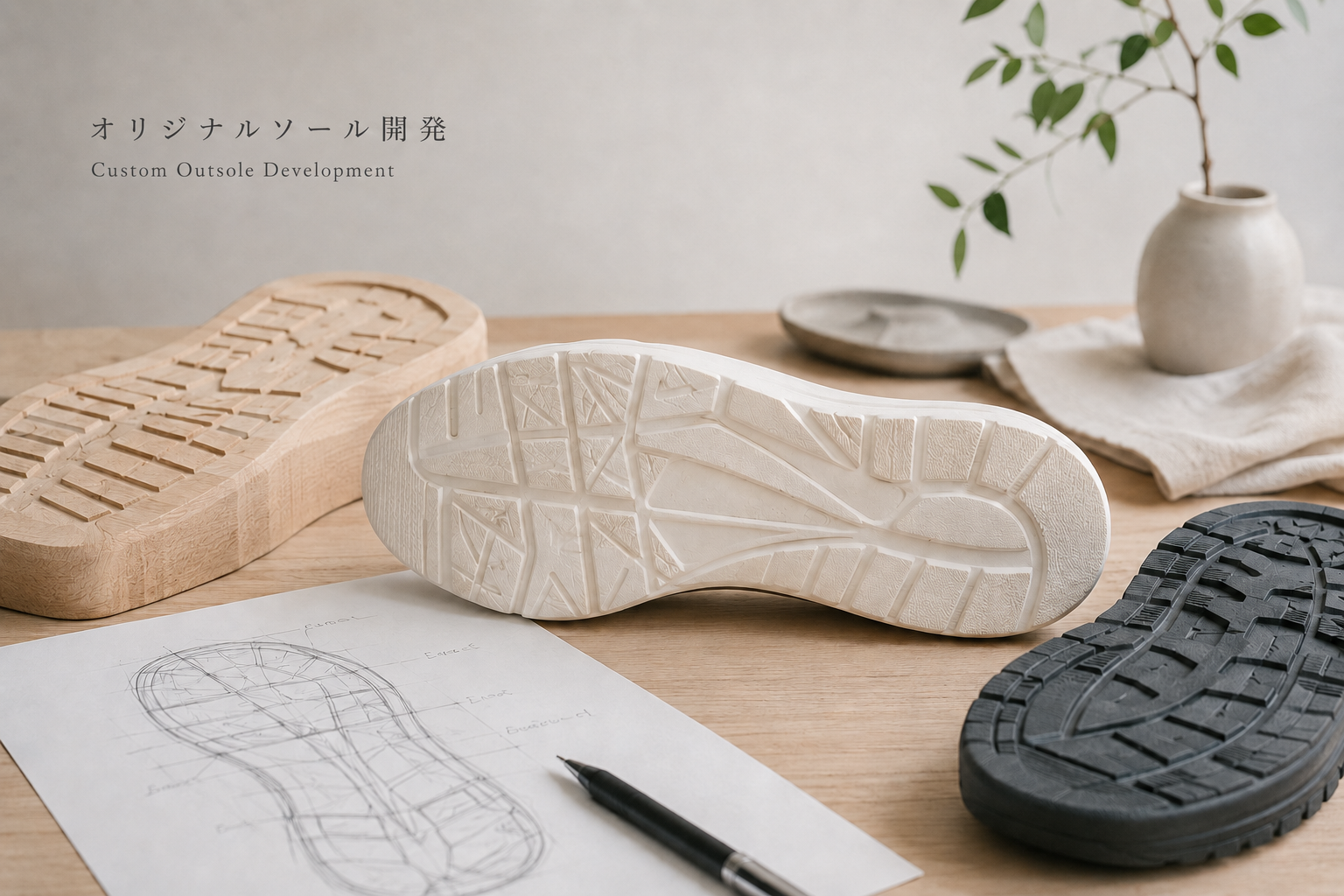
One of the biggest reasons MOQ changes is the outsole.
In footwear, the outsole is not just a design element. It affects tooling, development time, material setup, and production planning. If a project can use an existing outsole, the MOQ is usually easier to manage. But once a brand wants a fully original outsole, the structure of the project changes immediately.
A custom outsole means mold cost, additional development work, possible testing and adjustment, and stronger pressure to spread that cost over production volume. This is one reason why first-time shoe projects often start more smoothly with existing outsole options rather than a fully original sole from day one.
Materials are another major factor.
In footwear, MOQ is not only about the final number of pairs. It is also about the minimum order conditions behind the materials themselves. Leather, synthetic uppers, lining, mesh, foam, reinforcements, insoles, eyelets, laces, packaging components, and logos may all come with their own sourcing limits. Some materials can be purchased more flexibly. Others cannot.
This means a brand may want to place a small order, but the project still becomes difficult if too many custom materials are involved. In practice, MOQ often rises not because the factory wants to force a higher number, but because the material structure of the project makes a very small run inefficient or unrealistic.
Colorway planning also matters more than many first-time buyers expect.
A project may look manageable as a total quantity, but once that quantity is split across several colors, the picture changes. The real question is not only how many pairs the brand wants in total, but how many pairs sit behind each colorway. If the project is divided into too many small color groups, the factory has to deal with more separate material preparation, cutting, stitching, assembly, and packing work. That usually reduces efficiency and pushes the MOQ upward.
The same logic applies to size spread.
A wider size range may make sense commercially, but it can weaken production balance when the total quantity is still small. If there are too many sizes with too few pairs in each size break, factory efficiency drops and planning becomes harder. For a first project, it is often more realistic to keep the size structure tighter rather than trying to cover everything at once.
Construction also affects MOQ.
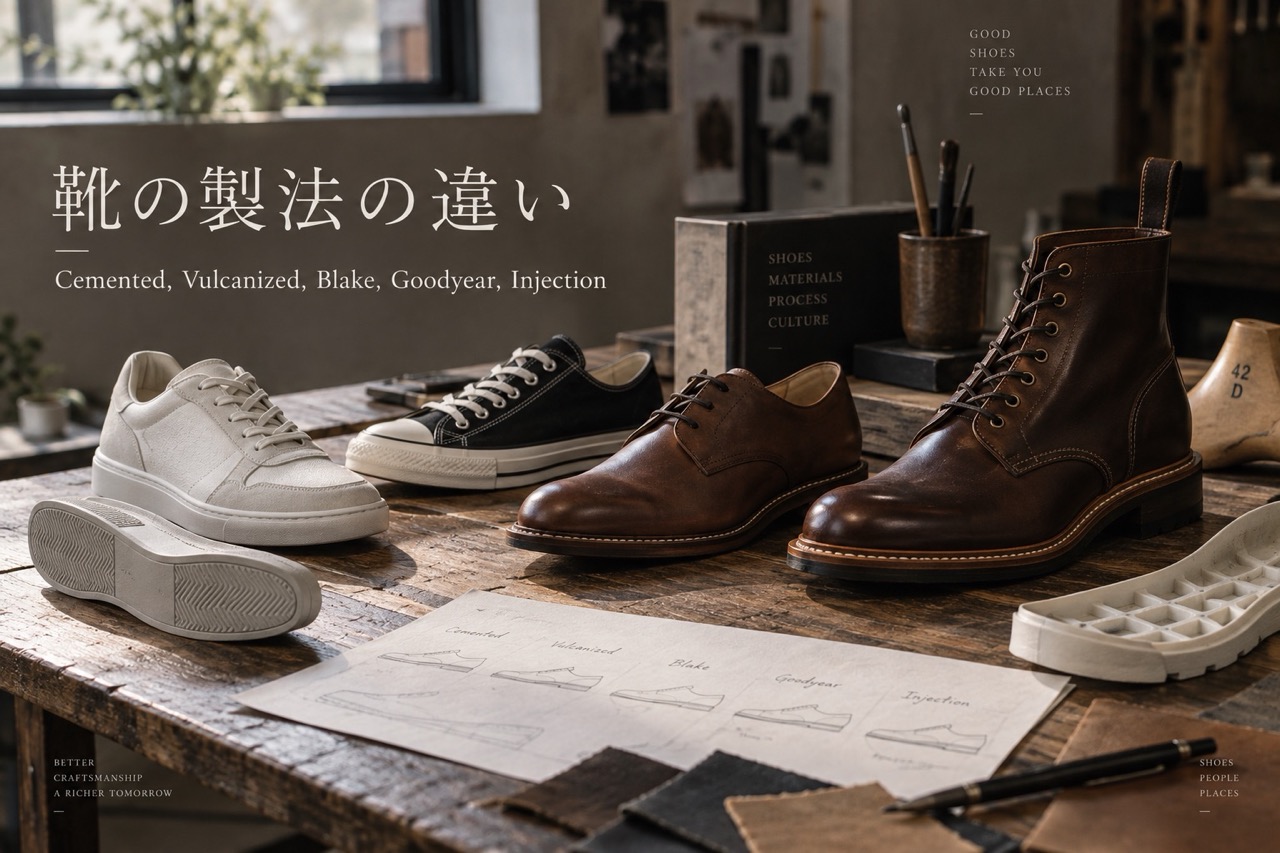
Cement construction, vulcanized construction, cupsole sneakers, dress shoes, boots, sandals, and other categories do not follow the same development logic. A style using a familiar process and standard components is usually easier to start at a lower quantity than a style that combines unusual construction, multiple special parts, or more difficult assembly. That is why MOQ only becomes meaningful when discussed together with the actual product structure.
In other words, MOQ should not be discussed in isolation.
It becomes much easier to judge after the sample direction is clearer. Once the outsole direction, last direction, key materials, color plan, size range, and target construction are defined, the factory can give a much more realistic view of what is workable. Before that stage, any MOQ number is often still provisional.
This matters especially for first-time footwear projects.
Many brands want to start with a low MOQ while also making the product highly custom from the first season. But low MOQ and high customization often pull in opposite directions. If a project needs a custom outsole, several special materials, multiple logos, several colorways, and a wide size run, the MOQ usually rises because the development and production burden rises with it.
If the goal is to keep MOQ lower, the product usually has to be simplified in the right places. That may mean starting with an existing outsole, reducing colorways, narrowing the size range, or using more accessible materials for the first run.
That does not mean a low-MOQ footwear project is impossible.
It means the project has to be structured properly. In many cases, the smartest first step is not to make everything custom immediately. It is to make one product work first. Once the market response is clearer, it becomes much easier to justify a more original outsole, more custom materials, or a broader product setup later.
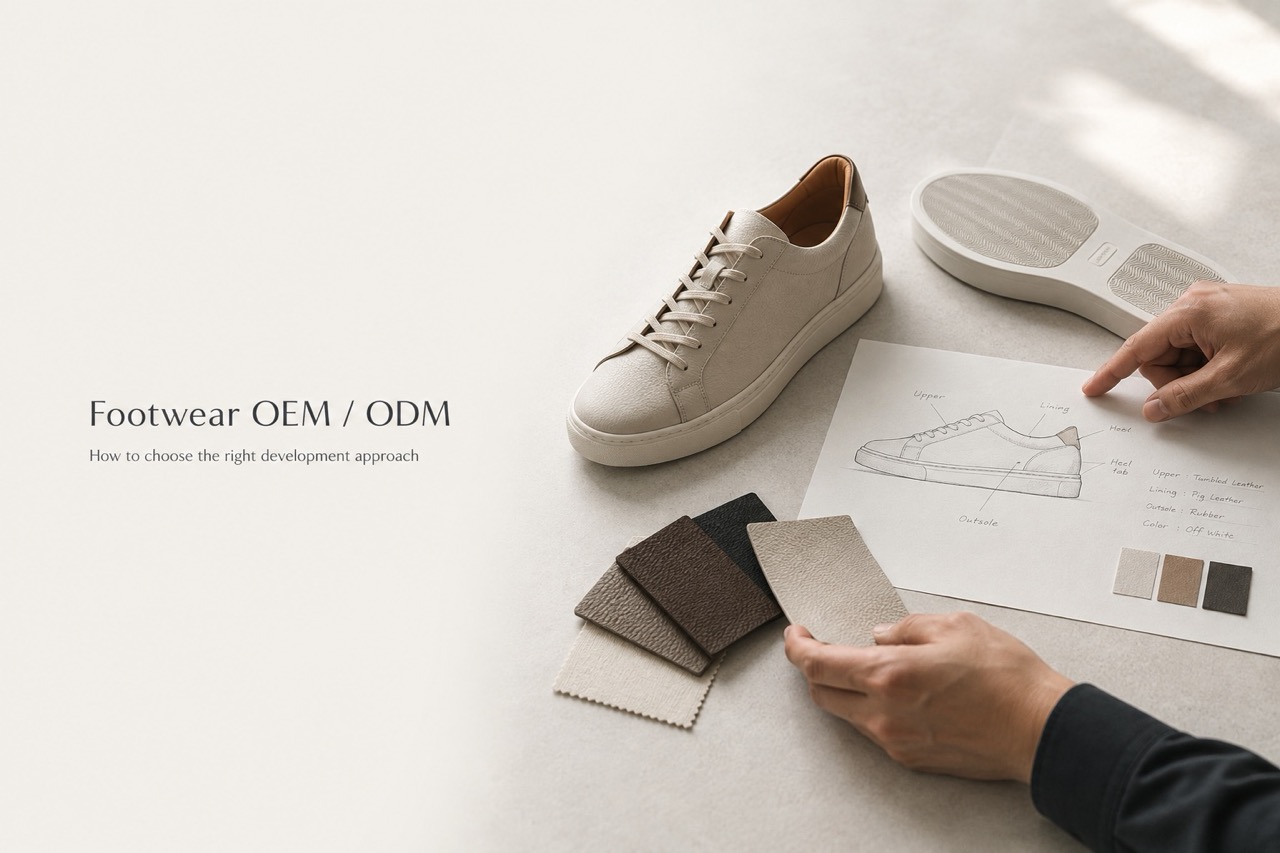
When choosing an OEM/ODM partner, brands should also pay attention to how MOQ is explained.
A useful partner does not just give a number and stop there. They explain what is driving that number. Is the main issue the outsole? The materials? The colorway count? The size spread? The production efficiency? That kind of explanation matters because it shows whether the supplier is only quoting conditions or actually helping the brand build a workable project.
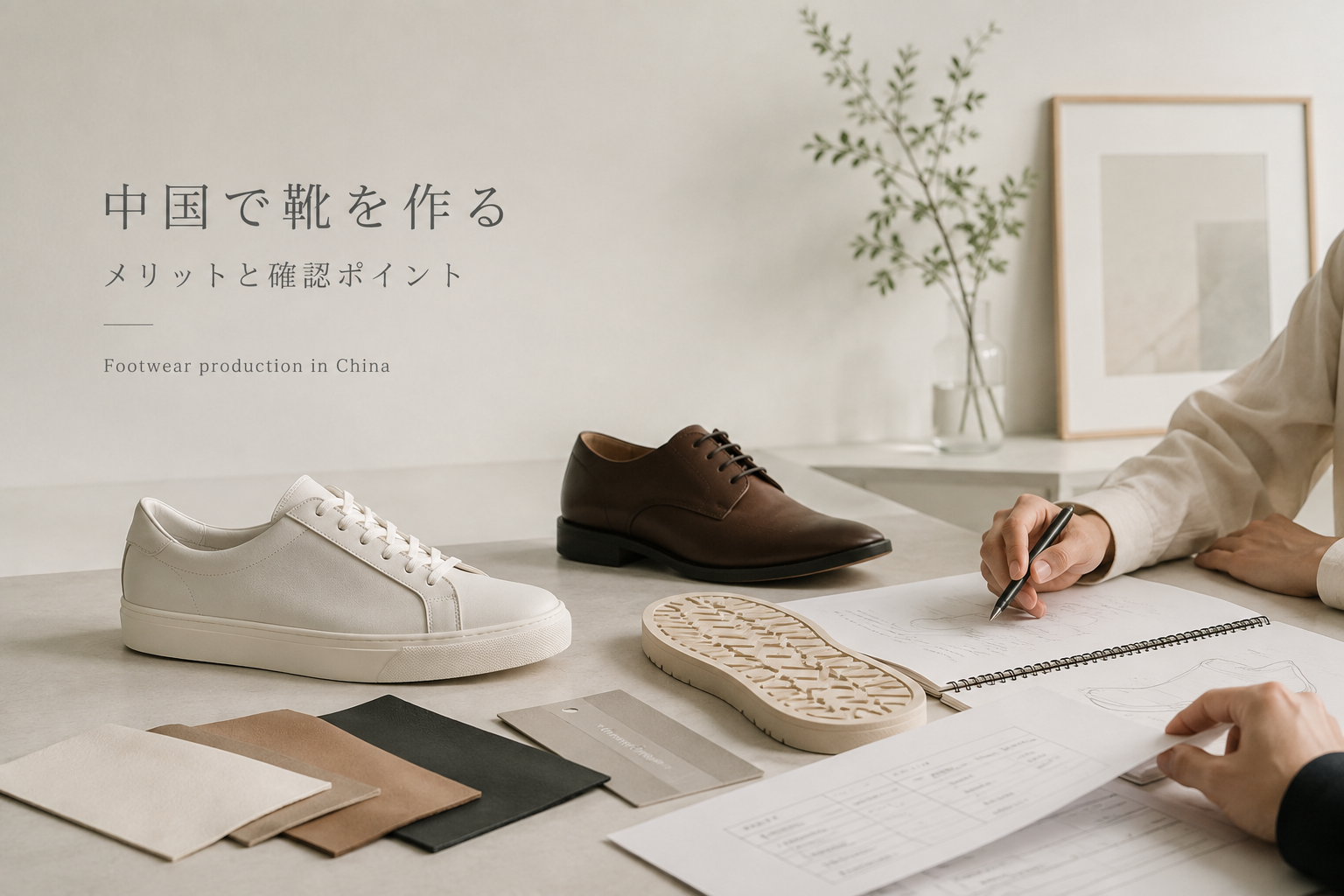
At Asahihara Trading, we support footwear OEM/ODM projects from the China side through sample development, material sourcing, specification adjustment, production management, QC, and bulk production follow-up. When MOQ becomes a concern, the answer is rarely just yes or no. The real task is to look at the outsole, materials, construction, color planning, and sizing together, then find the most realistic way to move the project forward.
If you are planning a footwear project and want to discuss MOQ, sample direction, or production setup in China, feel free to contact us. In most cases, once the project structure becomes clear, MOQ becomes much easier to understand as well.
Related Posts