



Why Shoe Lasts Matter in Footwear OEM Development
When developing footwear, many brands first focus on design, materials, or outsole style. These are important, but before a shoe can look good, it first has to fit correctly and function properly as a product. This is where the shoe last becomes critical.
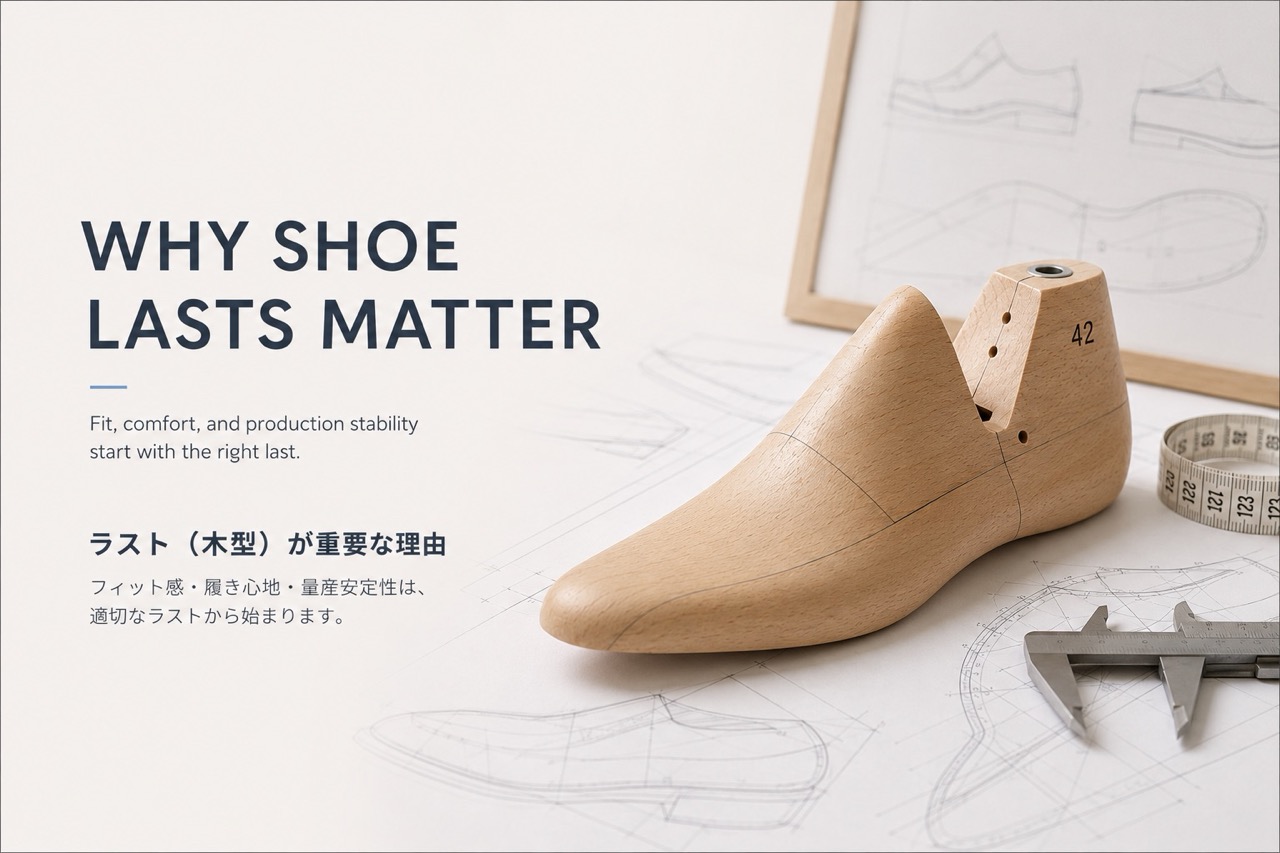
A shoe last is the three-dimensional form used to shape the upper and define the internal space of a shoe. It affects not only the final appearance, but also fit, comfort, balance, construction, and production stability. For footwear OEM and ODM projects, last selection is one of the most important decisions in the early development stage.
Comfort should usually come before function and fashion. A work shoe, running shoe, loafer, hiking boot, and dress shoe all place the foot in different conditions. Each product category requires a different structure, and the last must match that structure. A running shoe needs enough room for movement and impact. A dress shoe needs a clean shape while still keeping the foot stable. A hiking boot may need more hold and support. If the last is not suitable for the product, even a well-designed upper and outsole may not result in a comfortable shoe.
Several last measurements directly affect fit. Last length, ball girth, instep height, toe room, heel width, and overall volume all influence how the shoe feels on foot. Even in the same shoe size, different brands may use slightly different last proportions. This is why some shoes feel true to size, while others feel narrow, loose, long, or short.
Material also changes the feeling of fit. A soft mesh upper can tolerate a closer last because the material can stretch and move more easily. A stiff leather upper may need more allowance, because the material does not adjust to the foot as quickly. The same last can feel different when used with different materials. That is why last selection should always be considered together with upper material, lining, reinforcement, and construction method.
The function of the shoe also changes the last design. For example, shoes with stiff soles often need more toe spring. Toe spring is the upward curve at the front of the last. It helps compensate for the reduced flexibility of the shoe and supports a more natural rolling motion while walking. Boots, hiking shoes, and other shoes with harder soles often need more toe spring, while soft canvas shoes or vulcanized shoes may need less because the outsole can bend more easily.
Heel height is another important factor. Even a small heel raise changes how weight is distributed between the heel and forefoot. In athletic shoes, a moderate heel lift may help create a better walking or running position. In fashion shoes, heel height affects both appearance and posture. But if heel height is not planned correctly, it can create discomfort, instability, or unnecessary pressure on the forefoot.
Ball girth is also important. A shoe that is too tight around the forefoot can create pressure and discomfort, while a shoe that is too loose can feel unstable. Different categories require different approaches. A sprint shoe may need a closer fit. A winter boot may need more room for socks and blood circulation in cold conditions. A casual sneaker may need a balance between hold and comfort. These decisions are not only about size, but about the intended use of the product.
The toe shape affects both comfort and style. Fashion shoes may use a sharper or flatter toe shape. Running shoes often need more toe room to prevent the toes from hitting the front during movement. Boots may need more vertical space depending on material thickness and lining. The toe shape must support the product image, but it also has to leave enough functional space for the foot.
The opening and instep area are especially important for slip-on shoes, loafers, boots, and lace-up styles. A lace-up shoe can adjust the opening more easily, while a loafer or boot often requires a more carefully developed last so the foot can enter and exit without damaging the shoe. This is why different last structures are used in production.
In shoemaking, not all lasts have the same physical form. A standard solid last is common for many sneakers and casual shoes. After the shoe is made, the laces can be opened and the shoe can be removed from the last relatively easily. For loafers, Oxford shoes, boots, or styles with higher openings, factories may use hinged lasts, split lasts, or sectional lasts. These allow the finished shoe to be removed without deforming or damaging the upper.
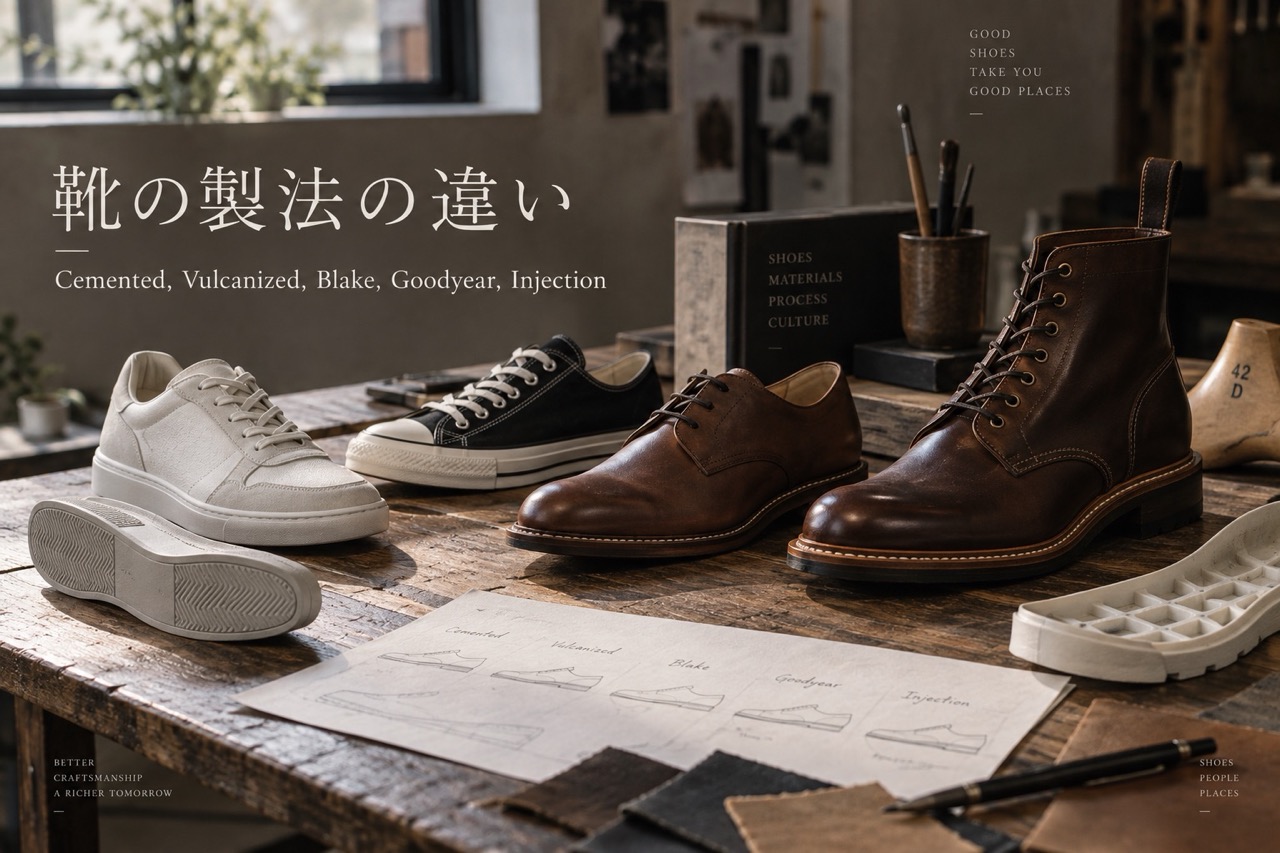
The last bottom edge also matters. Different construction methods require different last bottom shapes. A cemented shoe, a stitched construction shoe, a Strobel construction sneaker, and a boot may all need different bottom treatment. Some lasts have sharper bottom edges, while others use a more rounded or beveled bottom edge. This affects lasting, upper tension, sole attachment, and final shape.
Allowance for insole thickness is another point that brands often overlook. If a shoe will use a thick insole, the last must leave enough internal space for it. Otherwise, the shoe may feel too tight after the insole is inserted. Hiking boots and running shoes often require more insole space than dress shoes or women’s high heels. This is why the insole plan should be discussed before the last is finalized.
For brands starting a footwear OEM project, the last should never be treated as a background detail. It is the foundation of the product. It affects how the shoe looks, how it fits, how it performs, and how smoothly it can be produced. Suitable last selection can reduce sample revisions and make bulk production more stable. An unsuitable last can create repeated problems that cannot be solved only by changing materials or adjusting the upper design.
At Asahihara Trading, we support footwear OEM and ODM projects from the China side by helping brands coordinate sample development, last selection, outsole matching, material sourcing, specification adjustment, production management, QC, and bulk production follow-up. For footwear development, confirming the last direction early is one of the most practical ways to reduce risk.
If you are planning to develop sneakers, boots, leather shoes, loafers, or other custom footwear in China, feel free to contact us to discuss your product direction, sample plan, and production requirements.
Related Posts