



Footwear Manufacturing in China: Advantages and What Brands Should Confirm Before Production
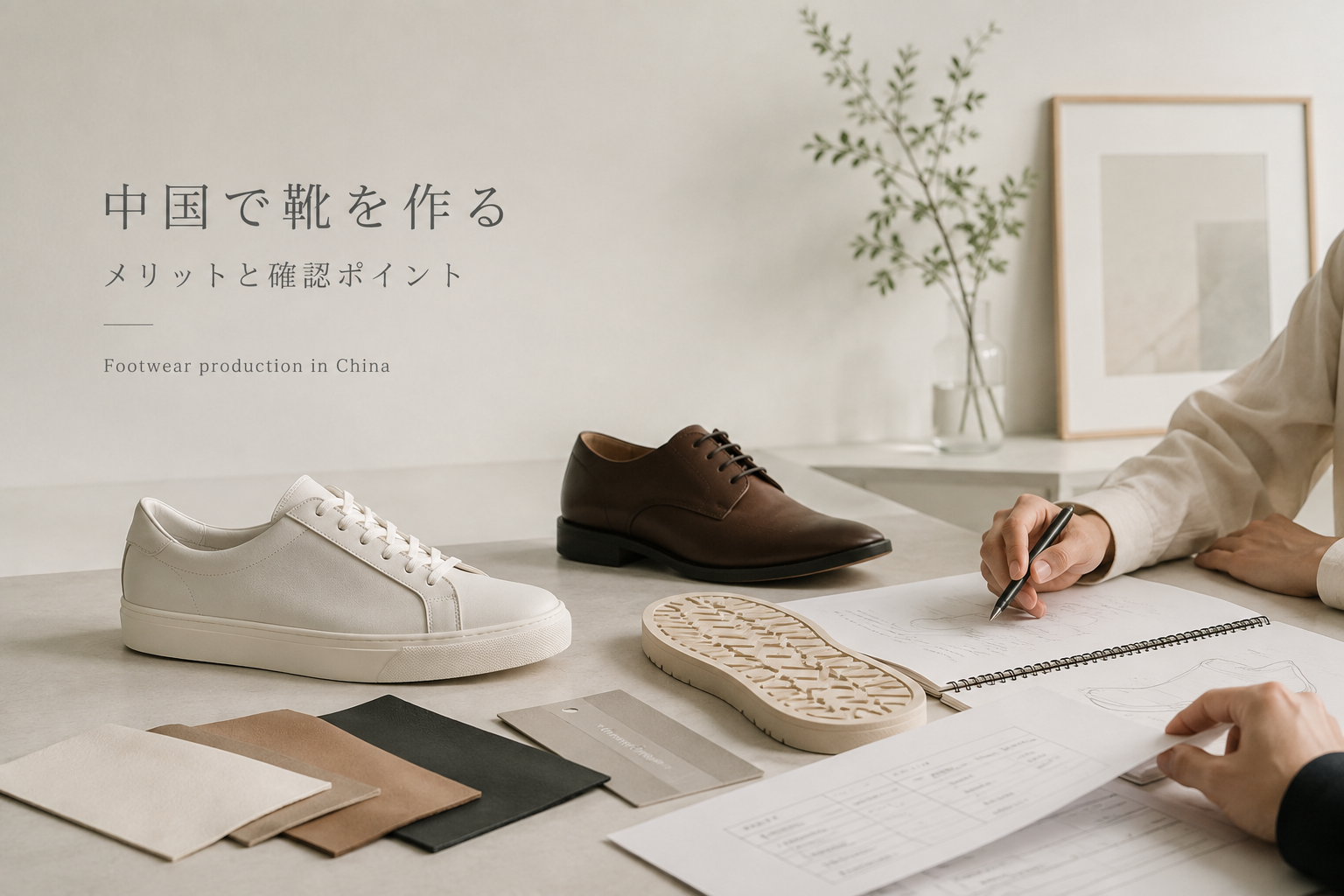
China remains one of the world’s major footwear manufacturing bases.
Its value is not limited to low production costs. China has a well-developed footwear supply chain, specialized manufacturing regions, experienced component suppliers, and factories working with different shoe categories and construction methods.
For brands developing sneakers, leather shoes, boots, sandals, or other footwear, this production environment provides a wide range of options.
However, not every factory is suitable for every project. The supplier structure, actual production site, MOQ, quotation basis, sample conditions, and quality-control system should all be clarified before development begins.
The key is not simply to manufacture in China. It is to build a production system that matches the product category, order quantity, quality level, budget, and development plan.
### 1. Access to a broad footwear supply chain
A shoe consists of many materials and components, including:
- leather, synthetic leather, mesh, and textile uppers;
- linings, reinforcement materials, and foam;
- insoles and footbeds;
- rubber, EVA, TPR, TPU, and PU outsoles;
- laces, eyelets, buckles, and zippers;
- labels, packaging, and shoe boxes;
- lasts, molds, and custom molded components.
In China’s major footwear manufacturing regions, many of these suppliers are located relatively close to the factories that use them.
This makes it easier to compare materials, source alternative components, develop custom parts, and respond to issues discovered during sampling.
When the first material or outsole does not meet the intended appearance, performance, or cost target, other options can often be evaluated without rebuilding the entire supply chain.
This concentration of materials, components, and production resources is one of the main advantages of footwear manufacturing in China.
### 2. Different manufacturing regions have different specializations
China should not be treated as one single production area.
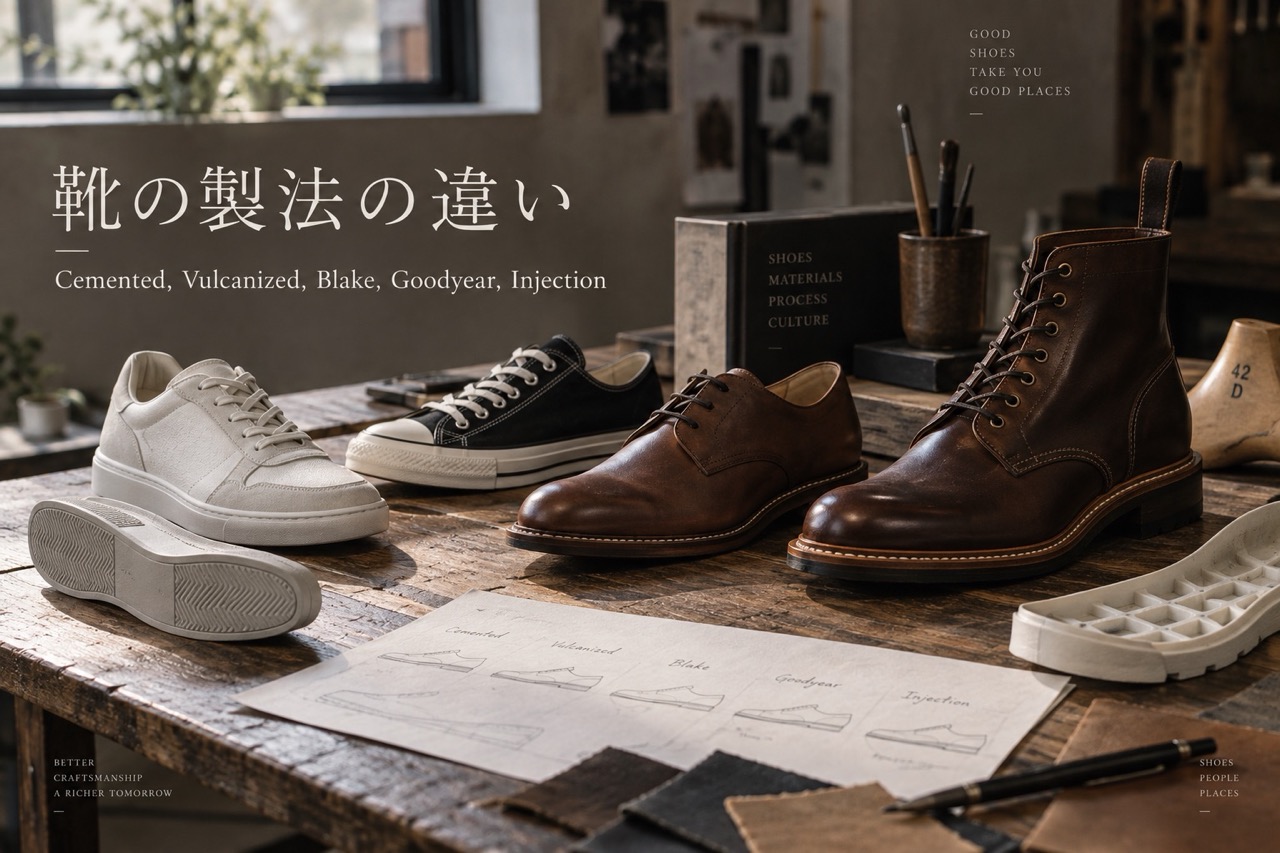
Different regions and factories have developed different strengths. Some factories specialize in cemented sports and casual sneakers, while others focus on vulcanized shoes, leather footwear, women’s shoes, boots, sandals, or injection-molded products.
A factory with extensive experience in casual sneakers may not be suitable for premium leather shoes. A vulcanized-shoe factory will not normally use the same equipment, materials, or production management methods as a technical running-shoe factory.
China’s advantage is not that one factory can manufacture every type of shoe.
The advantage is that brands can select a production base according to:
- footwear category;
- construction method;
- material requirements;
- target price;
- order quantity;
- quality expectations;
- development complexity.
Matching the project with the correct factory is more important than selecting a supplier based only on the lowest quotation.
### 3. Flexible product-development options
China’s footwear supply chain supports several levels of customization.
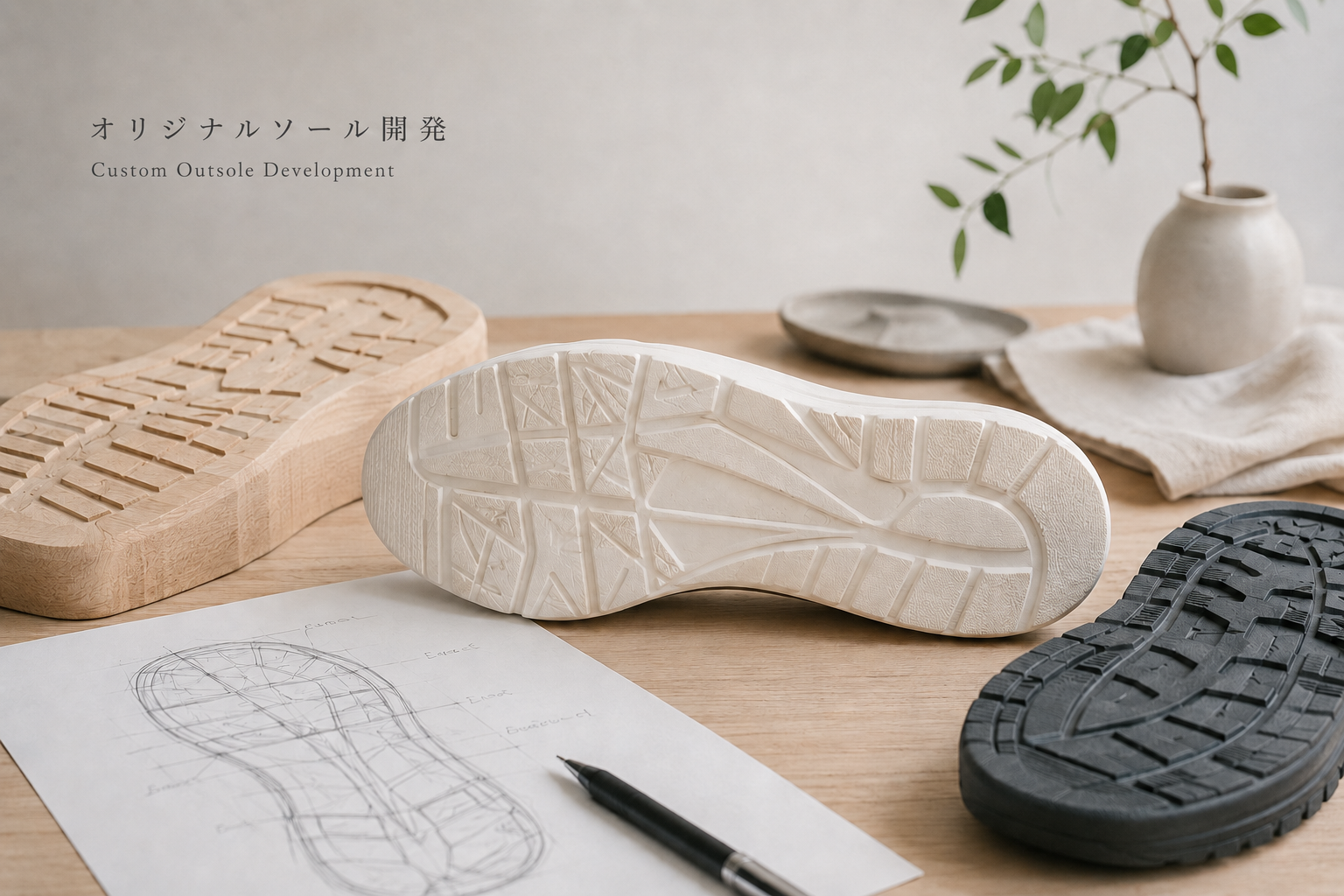
A brand that wants to reduce initial development cost and lead time may use an existing outsole and standard materials. A brand seeking a more distinctive product may develop an original outsole, TPU component, heel part, logo mold, or other custom component.
Depending on the project, development may include:
- modifying an existing upper pattern;
- developing a shoe from reference images or a reference sample;
- creating an original upper design;
- selecting custom materials and colors;
- developing an original outsole;
- producing branded molded components;
- adjusting materials for specific functional requirements.
This gives brands the option to begin with a relatively simple project and introduce more original components in later collections.
However, greater customization normally requires more development time, more detailed confirmation, and a higher initial investment.
These conditions should be understood before sampling begins.
### 4. More flexibility for small and medium-sized brands
MOQ is one of the main concerns for emerging and medium-sized footwear brands.
In footwear production, MOQ is not determined only by the number of finished pairs. It can also depend on:
- material minimums;
- outsole availability;
- number of colors;
- size range;
- production-line setup;
- custom molds;
- special components;
- packaging requirements.
Some Chinese factories are able to discuss smaller initial orders when existing outsoles and standard materials are used.
Depending on the design, material, and construction, certain cemented sneakers or leather shoes may be discussed from around 100 pairs per color.
This does not mean that every type of shoe can be produced at the same minimum quantity.
Small production runs often have a higher unit cost because material purchasing, labor, setup, and production loss are divided across fewer pairs.
A reliable supplier should explain not only the lowest possible quantity, but also the conditions required to achieve it.
### 5. A wide range of cost and specification options
China has footwear factories and material suppliers working across different price and quality levels.
This allows brands to adjust the specification according to the intended retail price, customer profile, and product positioning.
For example, the same design direction may be developed using:
- synthetic leather or genuine leather;
- textile lining or leather lining;
- an existing outsole or an original outsole;
- a standard insole or a performance footbed;
- factory QC or independent third-party inspection;
- standard packaging or custom packaging.
The lowest quotation is not always the most suitable quotation.
A lower price may reflect a different leather grade, lining material, outsole specification, construction method, packaging scope, inspection standard, or order quantity.
When comparing suppliers, brands should compare the same product specification and commercial terms rather than looking only at the final unit price.
## What brands should confirm before manufacturing footwear in China
China offers many production advantages, but those advantages are useful only when the production structure is transparent.
The following points should be confirmed before sample development begins.
### 1. The supplier structure and actual production site
Brands should understand whether the supplier is:
- a factory;
- a trading company;
- or a company that operates its own factory while also working with partner factories.
None of these structures is automatically better than the others.
The important issue is whether the supplier explains its production system accurately.
Brands should confirm:
- which legal company is responsible for the project;
- whether the supplier owns or invests in a factory;
- where that factory is located;
- which products are made in the supplier’s own factory;
- which products are assigned to partner factories;
- who manages sampling, production, and quality control;
- where the specific project will actually be produced.
A supplier should not suggest that every shoe is manufactured in the same factory when different categories are actually produced in different regions.
The actual production site may affect logistics, tariffs, compliance requirements, internal sourcing policies, and supply-chain planning.
It should therefore be disclosed before sampling begins.
### 2. How the MOQ is calculated
MOQ should not be presented as one number without supporting conditions.
Brands should confirm whether the MOQ is calculated by:
- style;
- color;
- material;
- outsole;
- size range;
- or total order quantity.
It is also important to ask:
- whether a small-order surcharge applies;
- whether the first order and repeat order have the same MOQ;
- whether several colors can share one total quantity;
- how many sizes can be included;
- whether custom components have separate minimums.
A factory may be able to produce 100 pairs under one specification but not under another.
MOQ should therefore be explained together with the material, outsole, color, construction, and size conditions.
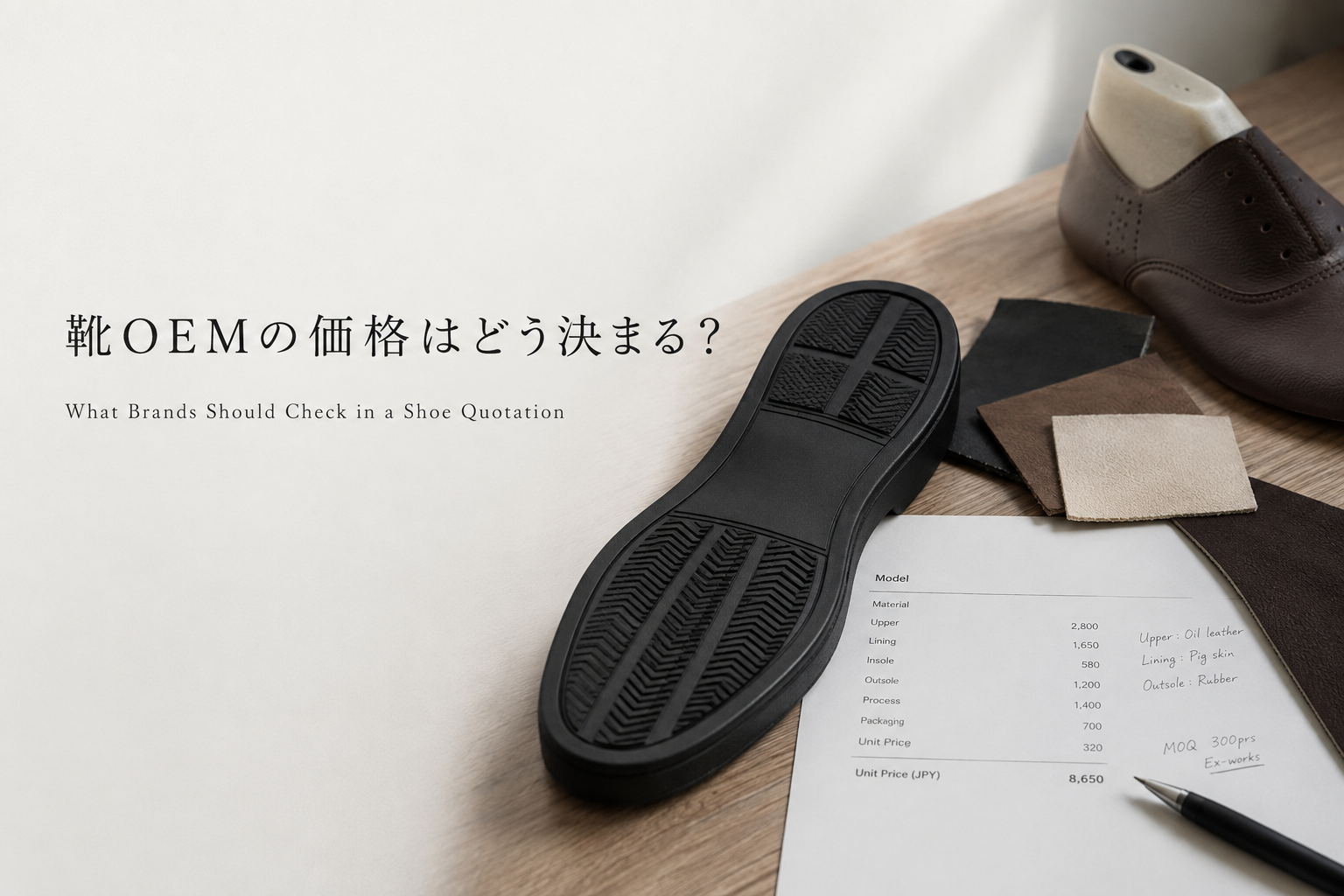
### 3. What the quotation includes
A footwear quotation should clearly state its basis.
Brands should confirm whether the price includes:
- upper material;
- lining;
- insole;
- outsole;
- laces and trims;
- logo application;
- standard shoe box;
- inner packaging;
- export carton;
- inspection;
- testing;
- freight;
- mold charges.
The trade term should also be stated clearly, such as FOB, EXW, or DDU.
A quotation may change when the material, quantity, outsole, packaging, or quality requirement changes.
However, any price adjustment should be linked to a clear change in the product specification or production conditions.
The price should not simply change after the sample has been completed without an explanation.
### 4. Which conditions are fixed before sampling
Experienced brands are often concerned about suppliers changing their terms after sample development has started.
A supplier may initially agree to a small quantity or a certain price, but later increase the MOQ or change the commercial terms after the sample has been completed.
To reduce this risk, the following points should be clarified before sampling:
- sample fee;
- number of revisions included;
- expected MOQ for bulk production;
- quotation basis;
- intended materials;
- outsole conditions;
- mold requirements;
- packaging scope;
- actual production site;
- factors that may change the price or lead time.
Not every detail can always be finalized before the first sample.
Material consumption, construction difficulty, and component cost may become clearer during development.
However, the supplier should distinguish between confirmed conditions and provisional conditions.
When a change is required, the reason should be explained clearly.
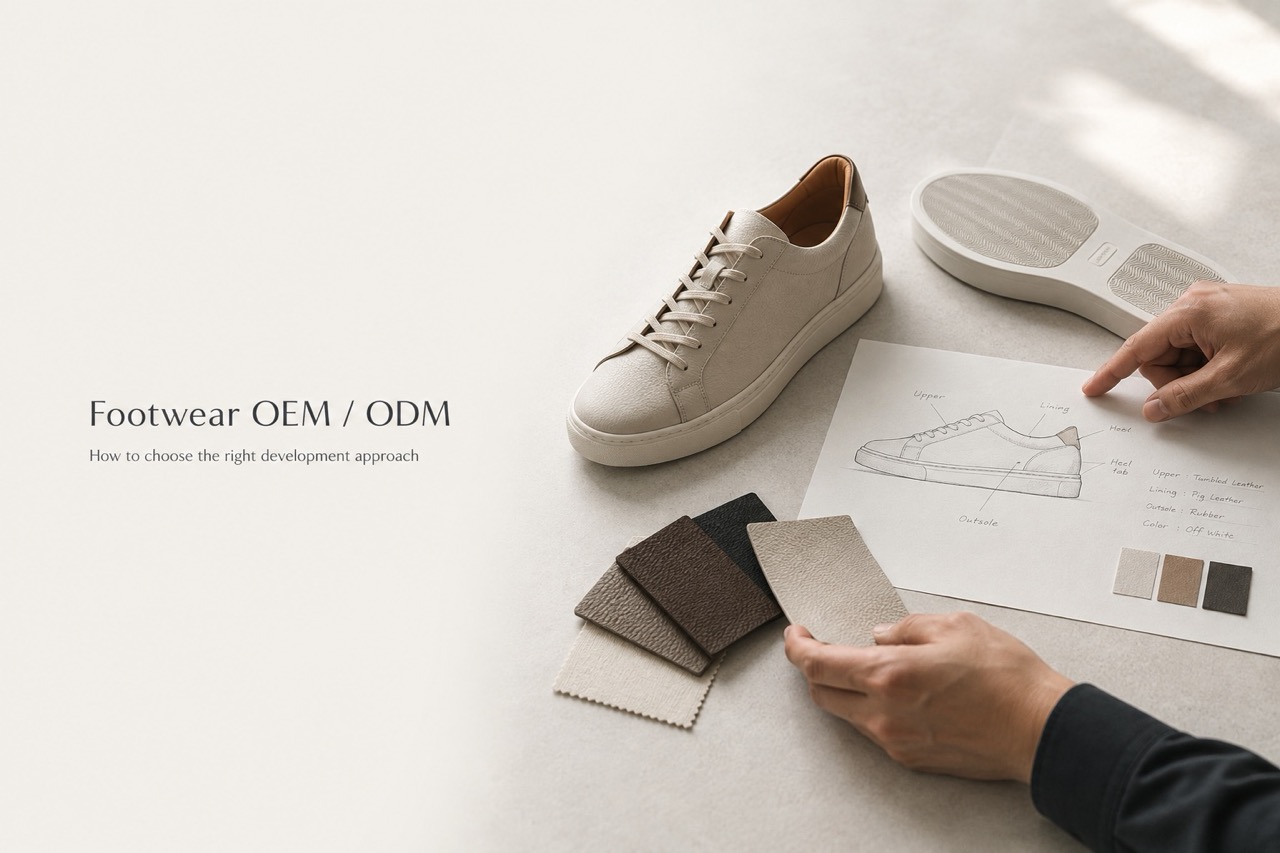
### 5. How materials and specifications are documented
Reference images alone are not sufficient for stable bulk production.
Before production, the brand and supplier should confirm:
- approved upper material;
- color standard;
- leather or synthetic-material grade;
- lining material;
- outsole material and hardness;
- logo size and position;
- stitching details;
- insole specification;
- size range;
- packaging requirements;
- acceptable tolerances.
Approved samples, material swatches, specification sheets, and written revision records should be used as production references.
This reduces misunderstandings between the brand, supplier, factory, and material vendors.
### 6. Whether independent third-party inspection is available
Factory QC and independent third-party inspection are different processes.
Factory QC is part of the factory’s normal production management. Third-party inspection is carried out by an independent inspection company appointed or approved by the brand.
Depending on the agreed inspection scope, third-party inspection may include:
- quantity verification;
- workmanship inspection;
- size measurement;
- material and color comparison;
- packaging checks;
- export-carton checks;
- defect classification;
- final inspection reports.
The inspection standard, sampling level, acceptance criteria, timing, and cost should be agreed before production.
For brands that require additional verification, independent inspection provides another level of control before shipment.
### 7. Whether the supplier communicates realistically
A capable supplier should be able to explain production limitations as clearly as production possibilities.
Brands should expect clear answers regarding:
- what can be produced;
- what cannot be produced;
- which points remain uncertain;
- what may affect cost;
- what may affect MOQ;
- where the product will be manufactured;
- which parts require additional development.
Statements such as “everything is possible,” “any quantity is acceptable,” or “the price will never change” may sound attractive, but they are not always realistic in footwear production.
Clear limitations at the beginning are generally more valuable than optimistic promises that change later.
## How Asahihara Co., Ltd. supports footwear production in China
Asahihara Co., Ltd. supports footwear OEM and ODM development and production management in China.
Our footwear factory in Wenzhou serves as one of our core production bases. We also work with selected partner factories in major Chinese footwear regions when a different category, construction method, material, or production system is more suitable for the project.
We do not present every type of shoe as if it were made in the same factory.
For each project, we review the footwear category, construction method, materials, quantity, quality requirements, and development plan before selecting the production base.
The actual production site is confirmed and explained before the project proceeds.
Our support may include:
- Japanese and English communication;
- project and specification organization;
- sample development;
- material and outsole sourcing;
- sample revision management;
- confirmation of the actual production site;
- production follow-up;
- third-party inspection coordination;
- quality control;
- shipment coordination.
Before development begins, we aim to clarify the available MOQ, quotation basis, sample conditions, planned materials, production site, and factors that may affect cost or lead time.
Footwear development always contains variables.
The important point is to identify, explain, and manage those variables rather than leaving them unclear.
## Conclusion
Manufacturing footwear in China gives brands access to a broad supply chain, specialized factories, diverse materials, custom-development options, and relatively flexible production planning.
However, these advantages depend on transparency.
Before beginning a project, brands should confirm:
- who is responsible for the project;
- where the shoes will actually be produced;
- how the MOQ is calculated;
- what the quotation includes;
- which conditions are confirmed;
- which conditions may still change;
- how quality will be inspected.
Manufacturing in China is not automatically a production risk.
In practice, the main risks usually come from unclear commercial conditions, undisclosed production locations, undocumented specifications, and changes that are not properly explained.
A transparent development process allows both the brand and supplier to make better decisions before investing in samples, molds, and bulk production.
Brands considering footwear production in China may contact Asahihara Co., Ltd. with reference images, product category, expected quantity, size range, material direction, target price, and desired schedule.
Related Posts