


Custom Shoe Box Packaging for Footwear OEM: What Brands Should Know
A Shoe Box Is Part of the Product
When developing a new footwear collection, most brands spend considerable time choosing the upper materials, outsole, colors, and fit. Packaging often comes later.
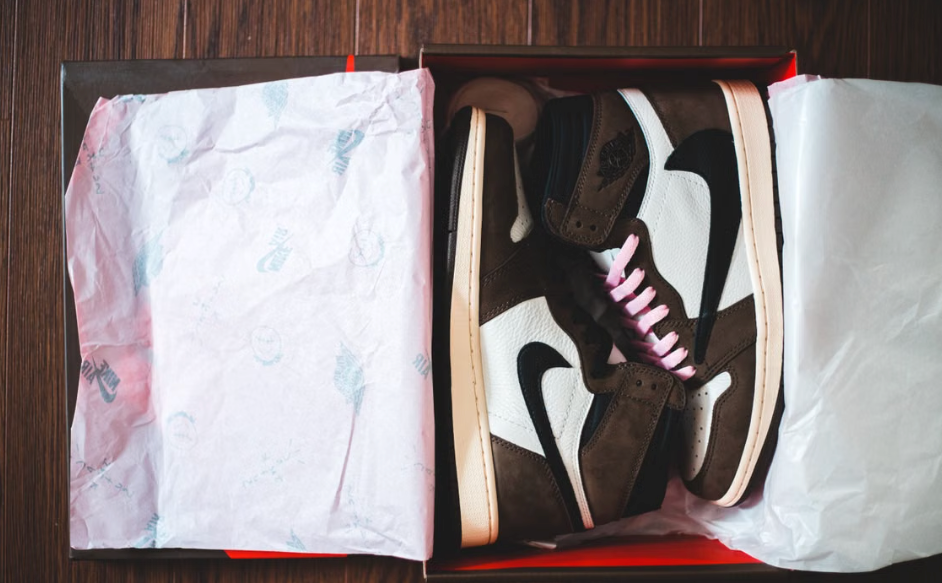
However, a shoe box is more than something used to hold a pair of shoes. It affects how the product is presented, protected, stored, and shipped. It also adds to the total production cost.
For brands working with a footwear OEM manufacturer in China, confirming packaging requirements early can prevent unnecessary expenses and delays.
The good news is that custom shoe packaging does not always need to be complicated or expensive. The important thing is knowing which details are worth customizing.
1. Choosing the Right Type of Shoe Box
There are several common shoe box structures, and each has different advantages.
A standard lid-and-base box is familiar, practical, and widely used for sneakers, leather shoes, and casual footwear. Depending on the materials and construction, it can offer a good balance between appearance and cost.
A one-piece folding box can be convenient for storage and assembly. Some designs can also be transported flat before packing, which may reduce the space needed for empty packaging.
A rigid presentation box offers a different unboxing experience but generally requires more material and packaging space.
There is no single best option for every brand.
For a small first collection, a well-designed standard box may be more practical than an elaborate structure that adds cost without improving the customer experience.
2. Box Size Matters More Than You Think
One detail that is easy to overlook is the actual size of the box.
A shoe box must provide enough room for the footwear without allowing excessive movement inside. If it is too small, the shoe may become compressed. If it is unnecessarily large, the additional space increases material consumption and shipping volume.
The correct dimensions also depend on the type of shoe.
A low-cut sneaker, a loafer, and an ankle boot may require very different packaging, even when their labeled shoe sizes are similar.
For OEM development, box dimensions should therefore be confirmed using the actual product rather than estimated from reference photographs.
The factory also needs to consider how many shoe boxes will fit into each export carton.
A small adjustment to the retail box dimensions may improve carton utilization, although the result must be checked against the real packing arrangement.
The cheapest-looking box is not necessarily the most economical box to ship.
3. Materials and Printing: Where Should the Budget Go?
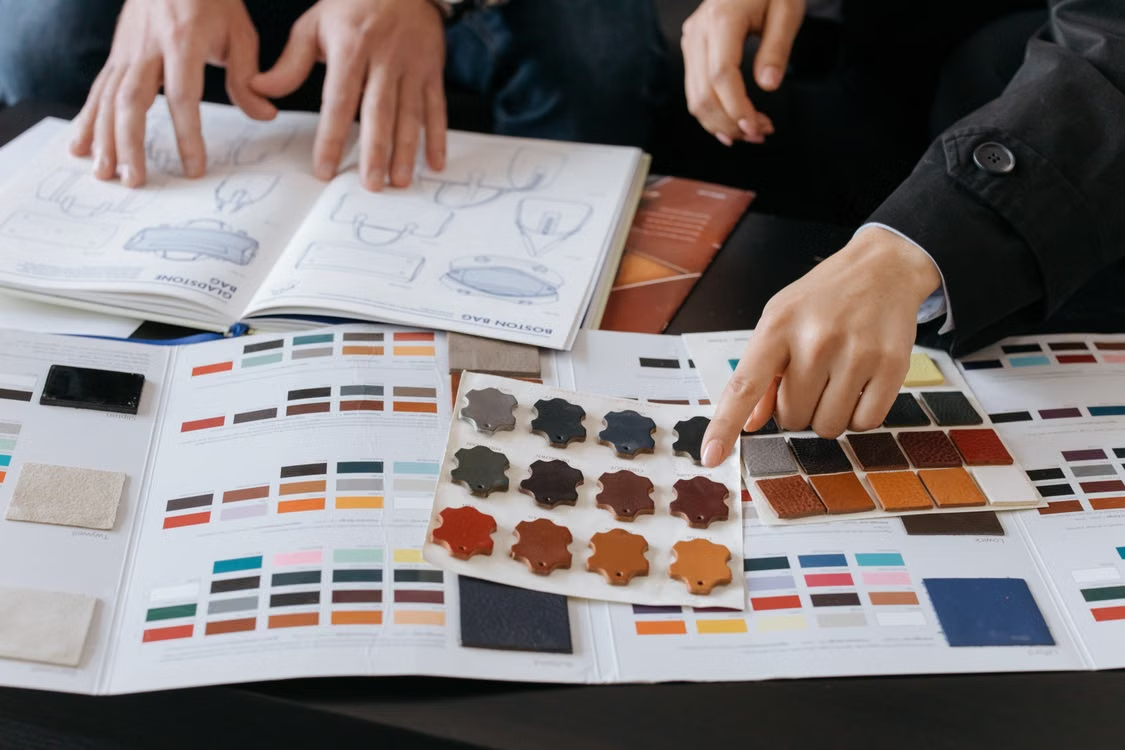
Shoe boxes can be made using different grades of paperboard or corrugated board.
The appropriate material depends on the box structure, shoe weight, stacking conditions, and distribution method.
For example, a box intended mainly for retail display may have different strength requirements from packaging that will repeatedly pass through warehouse handling and parcel delivery.
Printing also influences cost.
A simple one-color logo can create a clean, recognizable appearance without requiring complicated finishing.
More elaborate options include full-color printing, embossing, foil stamping, and selective gloss effects.
These finishes can work well, but they are not automatically necessary.
For many emerging footwear brands, choosing the right paper texture and keeping the artwork simple can be more effective than adding several decorative treatments.
It is also important to request an actual packaging sample when color, surface finish, or construction is particularly important.
A digital rendering cannot fully show how the finished box will look or feel.
4. Why Packaging Can Have Its Own MOQ
A common misunderstanding is that if a factory accepts a small shoe order, custom packaging will automatically be available in the same quantity.
That is not always the case.
Shoes and shoe boxes may come from different suppliers. A packaging supplier can have its own minimum order requirements for printed paper, cutting dies, printing setup, or special finishing.
For example, a brand might order 300 pairs of shoes but discover that its preferred custom box requires a larger production quantity.
This does not necessarily mean the footwear factory is unwilling to cooperate. The packaging supplier may simply be working under a different production structure.
One practical approach is to use a standard box structure with a customized logo or label.
Another is to keep the same packaging design across several shoe styles, provided the box dimensions are suitable.
For small-batch projects, reducing the number of unique packaging specifications can make purchasing and inventory management easier.
5. Size Labels and Barcodes Need Attention Too
Packaging is not complete once the logo is printed.
Before mass production, brands should confirm what information needs to appear on the box.
This may include the product name, style number, color, shoe size, SKU, and barcode.
A separate label is often more practical than printing size-specific information directly onto every box.
For example, one box design may be used for several sizes, while the correct size and product information are applied during packing.
This approach can reduce packaging variations and make it easier to manage leftover boxes.
However, the label format and placement should be approved before production.
Incorrect labeling can create problems even when the shoes themselves are manufactured correctly.
6. Retail Packaging and Shipping Packaging Are Different
A retail shoe box is not necessarily designed to withstand international transportation by itself.
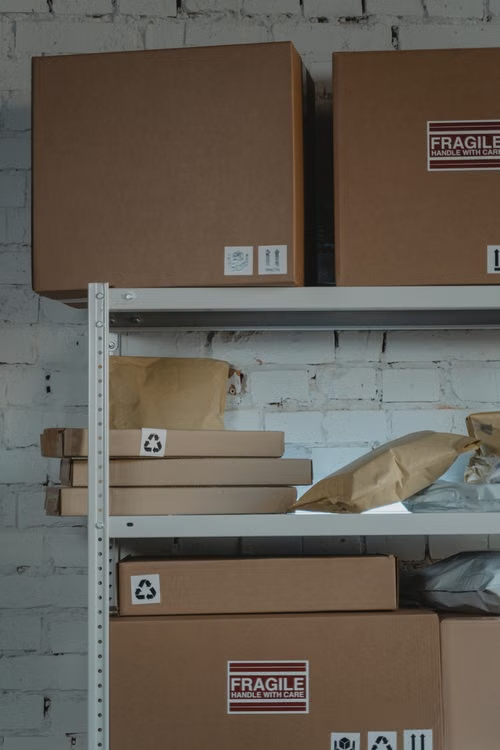
During export, multiple shoe boxes are usually packed inside larger shipping cartons. For direct-to-consumer delivery, additional protective packaging may also be necessary.
This distinction matters because brands sometimes evaluate the retail box only by appearance.
The actual packaging arrangement should consider stacking pressure, movement during transport, moisture exposure, and the condition in which the customer is expected to receive the product.
If footwear will be stored or shipped through humid conditions, the packing process should also include appropriate moisture-control measures.
A beautiful box is of little value if it arrives damaged.
7. Confirm Packaging Before Bulk Production
Packaging decisions should not be left until the shoes are almost finished.
A practical approval process is to confirm the box structure and dimensions first, followed by the material, artwork, printing finish, labels, and export-carton arrangement.
For customized packaging, brands should also check whether production requires separate tooling or printing preparation.
Once the design is approved, the packaging supplier needs enough time to produce and deliver the boxes before the footwear packing stage begins.
Otherwise, finished shoes may be ready while the packaging is still being manufactured.
That creates an avoidable delay.
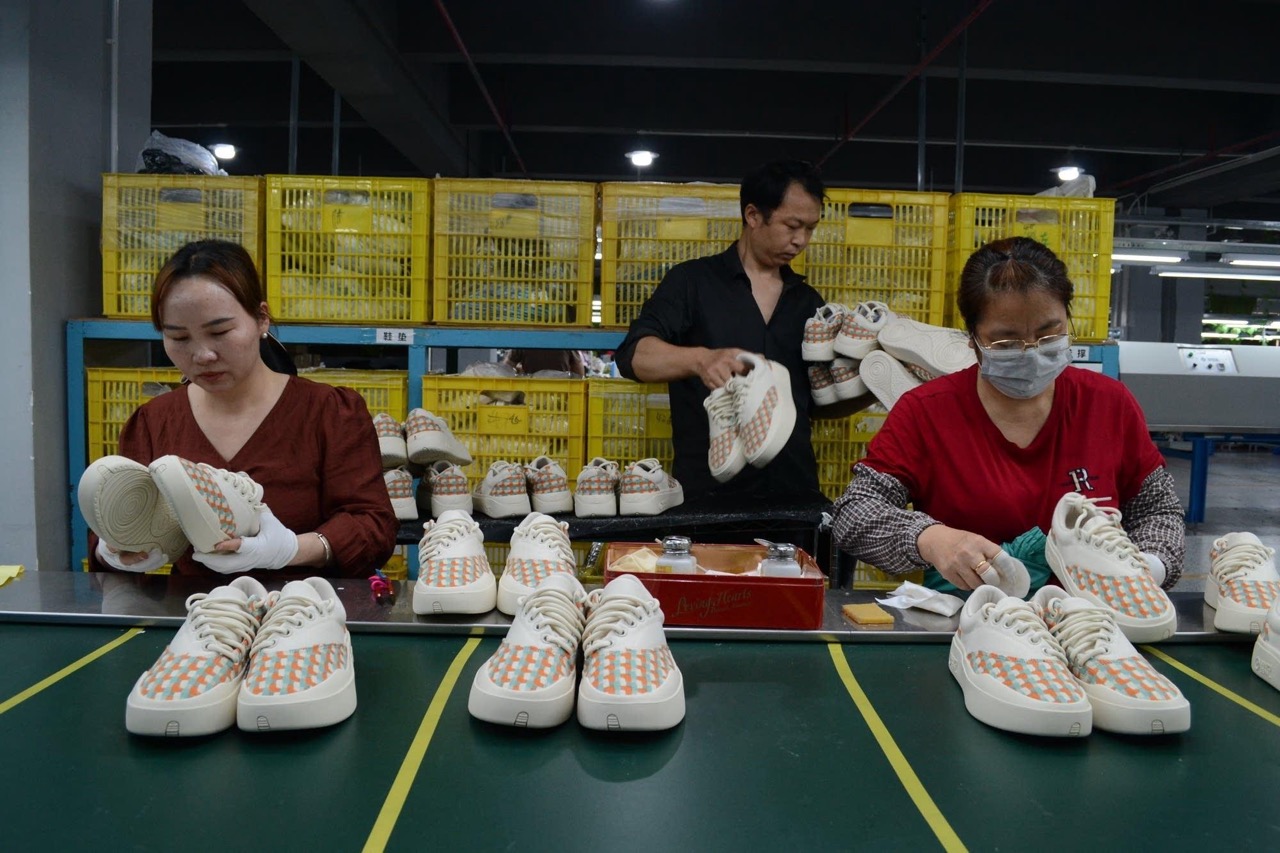
At Asahihara Co., Ltd., we help footwear brands coordinate packaging requirements alongside sample development, material sourcing, production management, and shipment preparation in China.
Our goal is to make sure packaging fits the actual product and production plan, rather than becoming an unexpected problem at the end.
Final Thoughts
Custom shoe packaging is an important part of footwear OEM development, but customization should serve a clear purpose.
A successful shoe box should protect the product, represent the brand, fit the distribution method, and remain practical to produce.
For brands developing their first footwear collection, the best starting point is often a simple, well-considered packaging structure.
Once the product and sales volume become more established, there is more room to explore additional materials, printing techniques, and presentation details.
Planning a footwear OEM project in China? Contact Asahihara Co., Ltd. to discuss shoe development, custom packaging, and production requirements.