




Shoe Upper Materials Explained: Leather, PU, Microfiber, Mesh and Knit
Why Upper Material Selection Matters
Two pairs of shoes can have almost identical designs but feel completely different when worn. Sometimes the difference comes from the shoe last or outsole. In other cases, it comes from the upper material.
For brands developing footwear through OEM production, choosing an upper material is not simply a matter of deciding between genuine leather and synthetic leather. Thickness, flexibility, surface finish, backing structure, and compatibility with the shoe construction all affect the finished product.
The material also influences cost, minimum order quantities, sampling, and consistency during bulk production.
Here are five common material directions and what brands should know before making a decision.
1. Genuine Leather: Natural Texture and Individual Variation
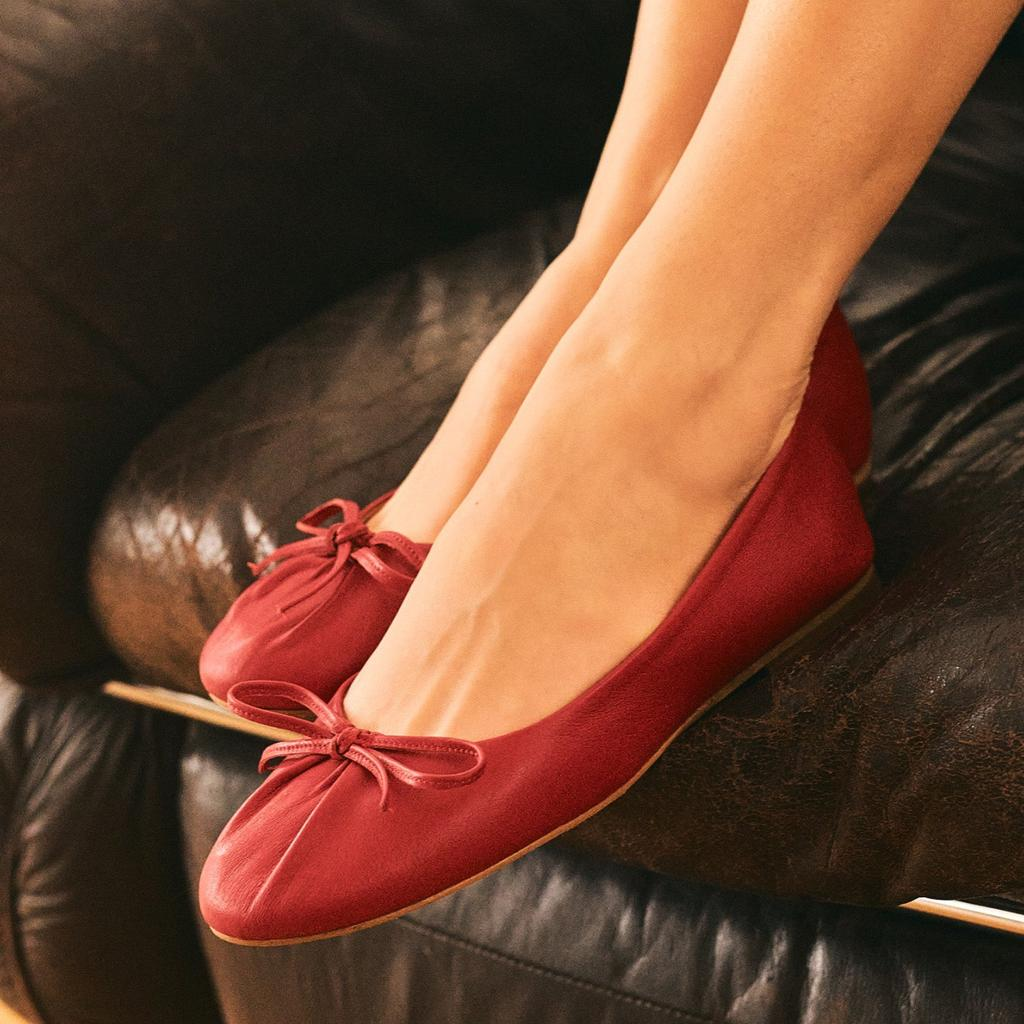
Genuine leather remains a common choice for dress shoes, loafers, boots, and certain casual sneakers. Depending on the type and finish, it can offer a distinctive surface texture, flexibility, and the ability to develop character with wear.
However, genuine leather is not a single, uniform material.
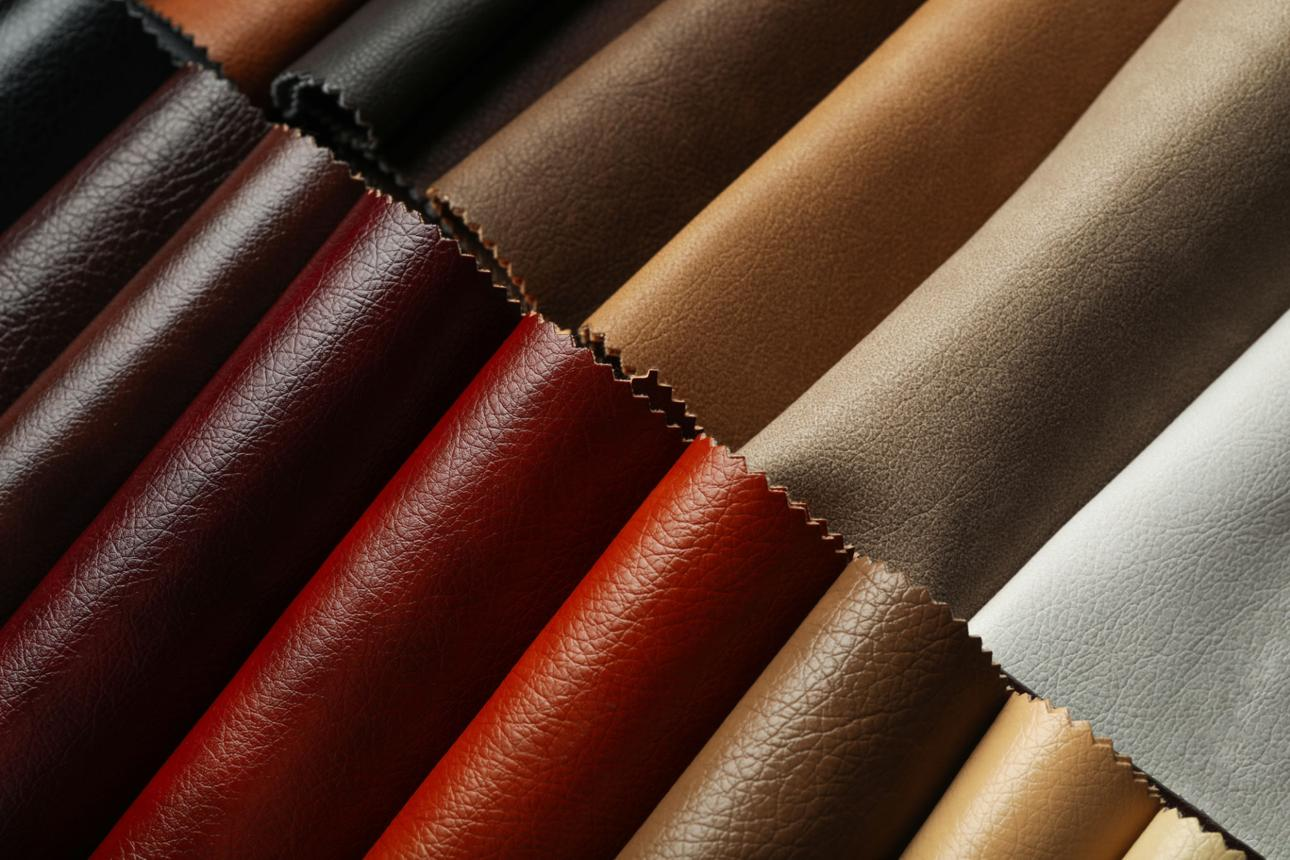
Full-grain leather, corrected-grain leather, suede, and nubuck can look and behave very differently. Even within the same leather specification, natural variations in grain, softness, and surface markings are possible.
This is particularly important during production. Unlike an industrially manufactured sheet material, a natural hide cannot always be cut without considering its individual characteristics.
Visible scratches, loose grain, or other unsuitable areas may need to be avoided. When a brand requires a particularly clean and consistent leather surface, the usable cutting area can decrease, increasing material consumption and cost.
For footwear brands, the important question is not whether genuine leather is always better, but whether the selected leather matches the design, expected retail price, and acceptable level of natural variation.
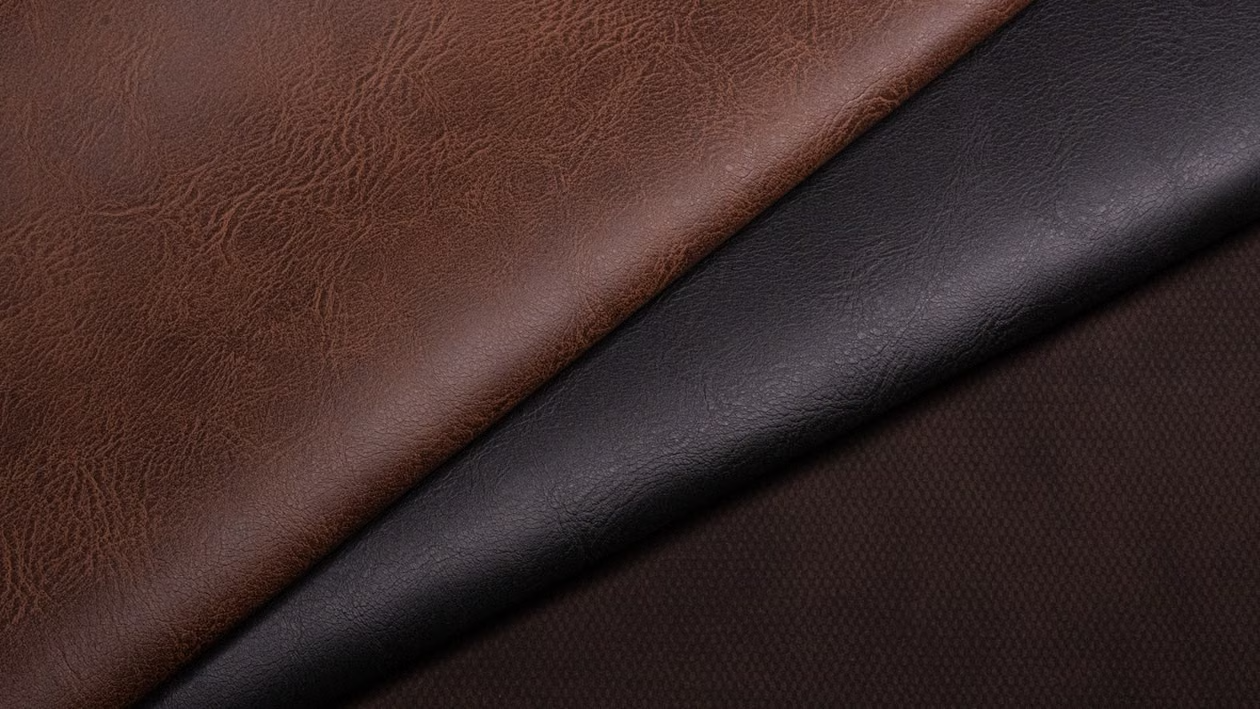
2. PU Synthetic Leather: Consistency and Design Flexibility
PU synthetic leather generally refers to a material with a polyurethane-based surface layer applied to a textile or similar backing.
It is widely used in sneakers, casual shoes, fashion footwear, and other products where a relatively consistent appearance is important.
Compared with natural leather, PU synthetic leather can offer more uniform colors and surface textures. It is also available in many finishes, including smooth, embossed, and leather-like surfaces.
However, not all PU materials have the same quality.
The backing fabric, coating formulation, thickness, and finishing process can make a considerable difference to flexibility, abrasion resistance, and long-term performance.
One point worth checking is how the coating behaves after repeated bending. Depending on the material, cracking, peeling, or deterioration may become concerns during use or storage.
For brands comparing quotations, it is therefore not enough to specify only “PU leather.”
A more useful approach is to confirm the actual material sample, its thickness, backing, surface finish, and intended application.
3. Microfiber Synthetic Leather: Why It Is Different from Ordinary PU
Microfiber synthetic leather is often discussed alongside PU leather, but the two terms do not describe entirely separate chemical categories.
Many microfiber-based artificial leathers also contain polyurethane. The important difference is often found in the base structure.
A typical microfiber artificial leather uses a dense nonwoven structure made from very fine synthetic fibers, often combined with polyurethane resin. This can produce a different feel and mechanical behavior from conventional coated fabrics.
Depending on its construction, microfiber artificial leather can provide a relatively consistent appearance, flexible handling, and good resistance to certain types of wear.
It is used in sports shoes, casual footwear, and leather-like products where brands want a controlled material specification.
However, the term “microfiber” is not a guarantee of superior performance.
Different grades can vary significantly in softness, thickness, surface durability, and price.
For footwear OEM projects, the material should be evaluated through its actual sample and specification, rather than its commercial name alone.
4. Mesh and Knit: Lightweight Uppers Need Structure Too
Mesh and knitted textiles are common in sports shoes and lightweight casual sneakers.
They are often selected because they can help reduce weight and create a more flexible upper.
Although these materials are frequently grouped together, the terminology is worth understanding.
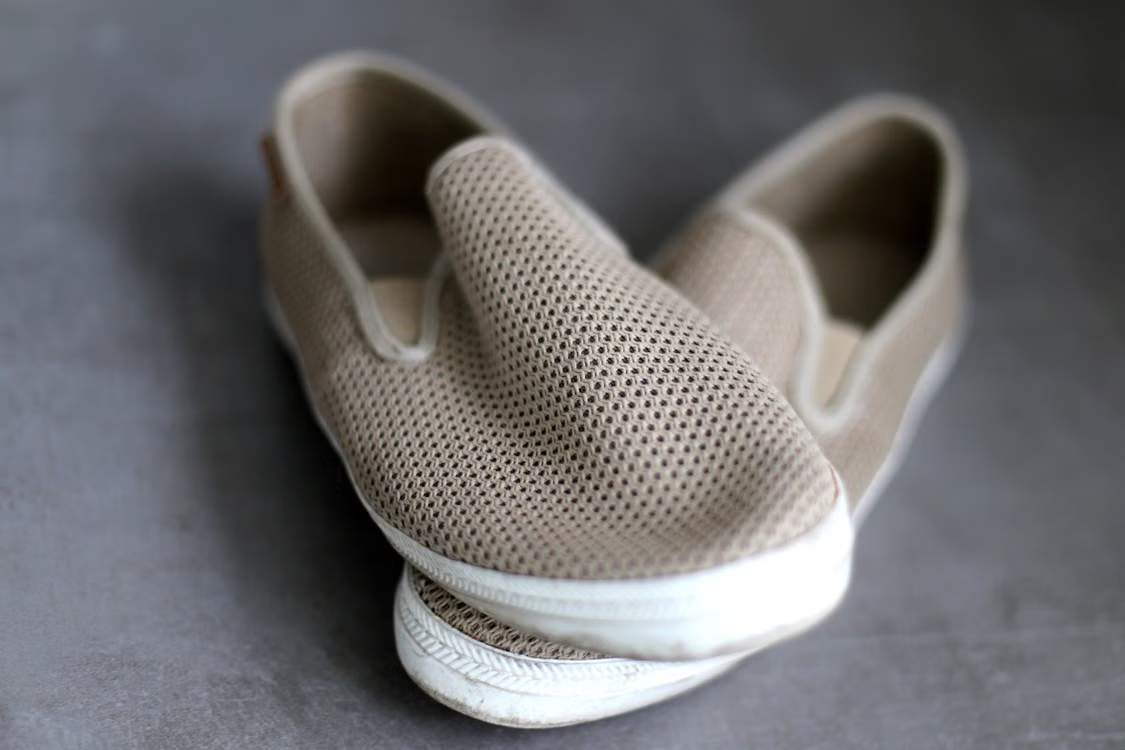
Mesh describes a fabric with an open structure that allows air to pass through its openings. Mesh can be produced using different textile constructions.
Knit describes a method of forming fabric from interlocking yarn loops. Knitted uppers can be engineered with different levels of stretch, density, and openness across the shoe.
In other words, mesh and knit are not always mutually exclusive.
The challenge is that an upper designed for flexibility and airflow may still need reinforcement.
Areas around the eyelets, heel, toe, and sides of the shoe may require additional support to maintain fit and shape.
A material that feels soft in the hand may stretch too much after assembly, particularly if the pattern and reinforcement structure have not been designed for it.
Also, a breathable-looking outer material does not automatically make the entire shoe breathable. Lining, foam, backing, and laminated layers can change the final result.
5. Material Choice Also Affects Cost and MOQ
Brands sometimes compare materials only by their price per meter or square foot.
In actual footwear production, this is only part of the calculation.
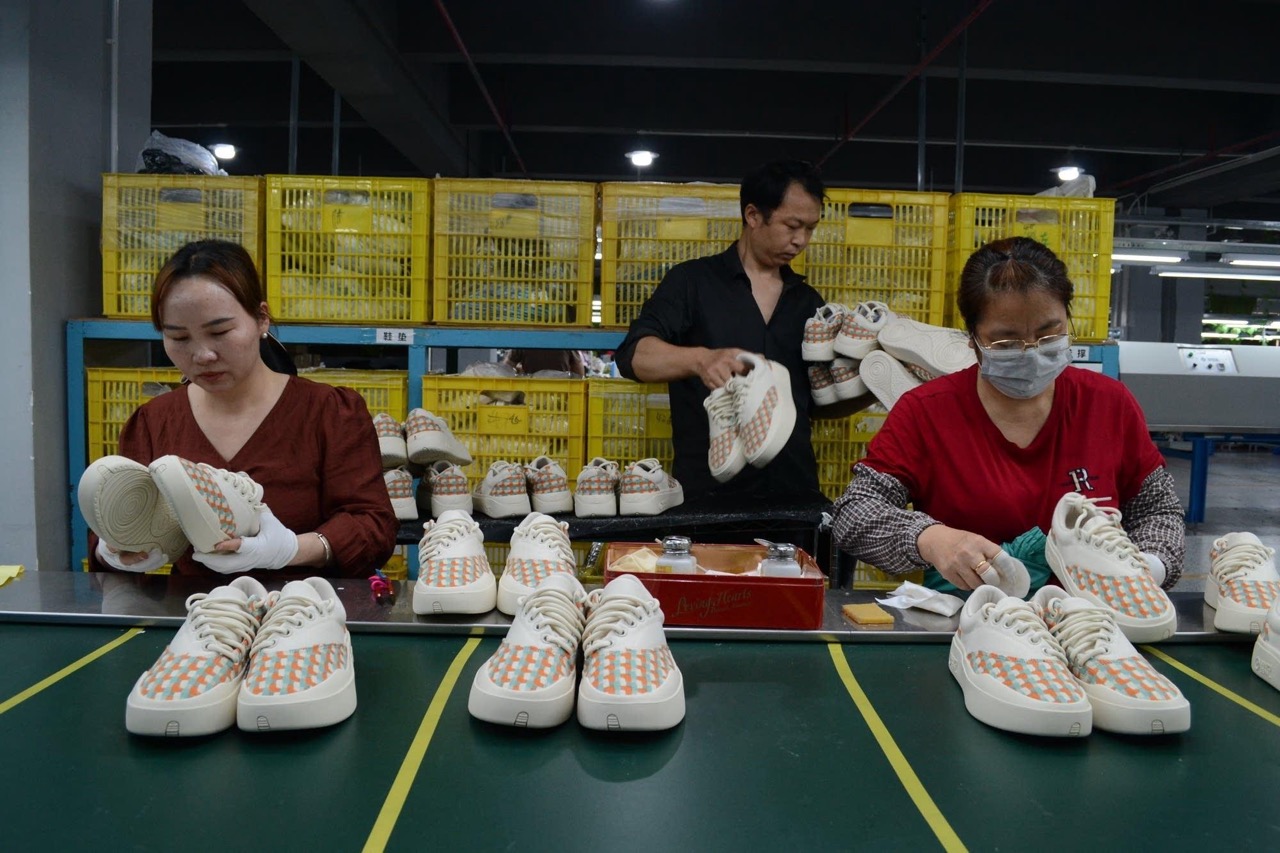
A material that appears inexpensive may create additional cutting waste, require extra reinforcement, or be more difficult to handle during stitching and lasting.
A more expensive material may be easier to process consistently, but that does not automatically make it the more economical option.
Minimum order quantities are another consideration.
Certain colors, custom finishes, or specially developed textiles may have minimum purchasing requirements set by the material supplier.
For a small footwear order, the factory may be able to produce the shoes in the required quantity while the selected material is available only in a larger minimum purchase.
This is why existing material options are often worth considering for early-stage development.
They allow brands to evaluate the design before committing to materials that require additional development or inventory.
6. What Should Be Confirmed During Sampling?
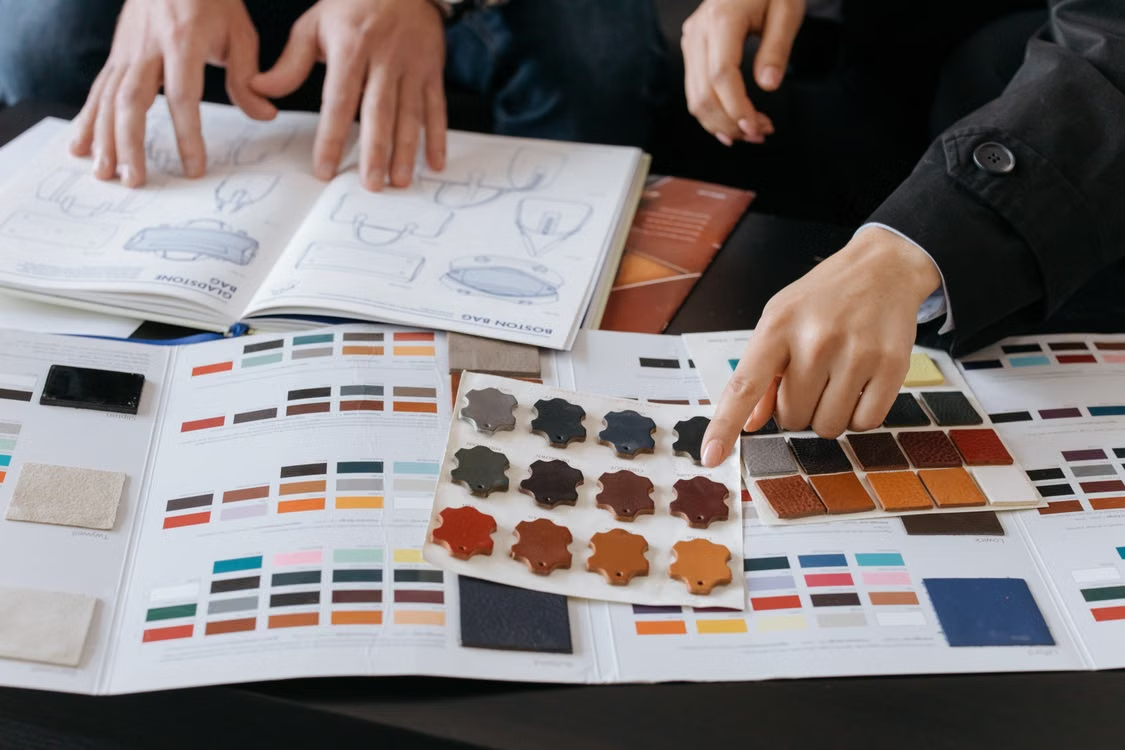
Choosing a material from a photograph is only the beginning.
Once the first sample is made, brands should examine how the upper behaves as part of the complete shoe.
Important points include the material's appearance after lasting, creasing at the forefoot, stitching stability, surface abrasion, and any changes caused by repeated movement.
For PU-coated materials, coating adhesion, flex resistance, and aging behavior may require particular attention.
For mesh and knitted uppers, the balance between stretch, ventilation, and structural support should be checked.
Color consistency also matters, especially when several materials are combined in one shoe. Two materials described as “black” may appear noticeably different when placed next to each other.
Where a project has specific durability or performance requirements, suitable material testing can be considered before bulk production.
Above all, the production material should match the specification approved during sampling.
Choosing the Right Material for Your Brand
There is no upper material that is automatically the best choice for every shoe.
A leather loafer, a lightweight running-inspired sneaker, and a structured fashion boot require different combinations of appearance, flexibility, support, and durability.
The most practical starting point is to decide what the finished product needs to achieve, then choose materials that suit its design and construction.
At Asahihara Co., Ltd., we support footwear OEM and ODM development in China through material sourcing, sample development, specification adjustment, production coordination, quality control, and bulk production follow-up.
If you are developing a new footwear collection, feel free to contact us with your design references, expected quantity, and material preferences. We can discuss suitable production options based on the actual project requirements.